
If you are choosing a reflexology program, you have probably run into a question with no clear answer anywhere: does this certification mean anything outside my own country?
A development among the national associations makes that question worth revisiting. It is also widely misunderstood, so it is worth being precise about what has actually happened.
What the consortium is
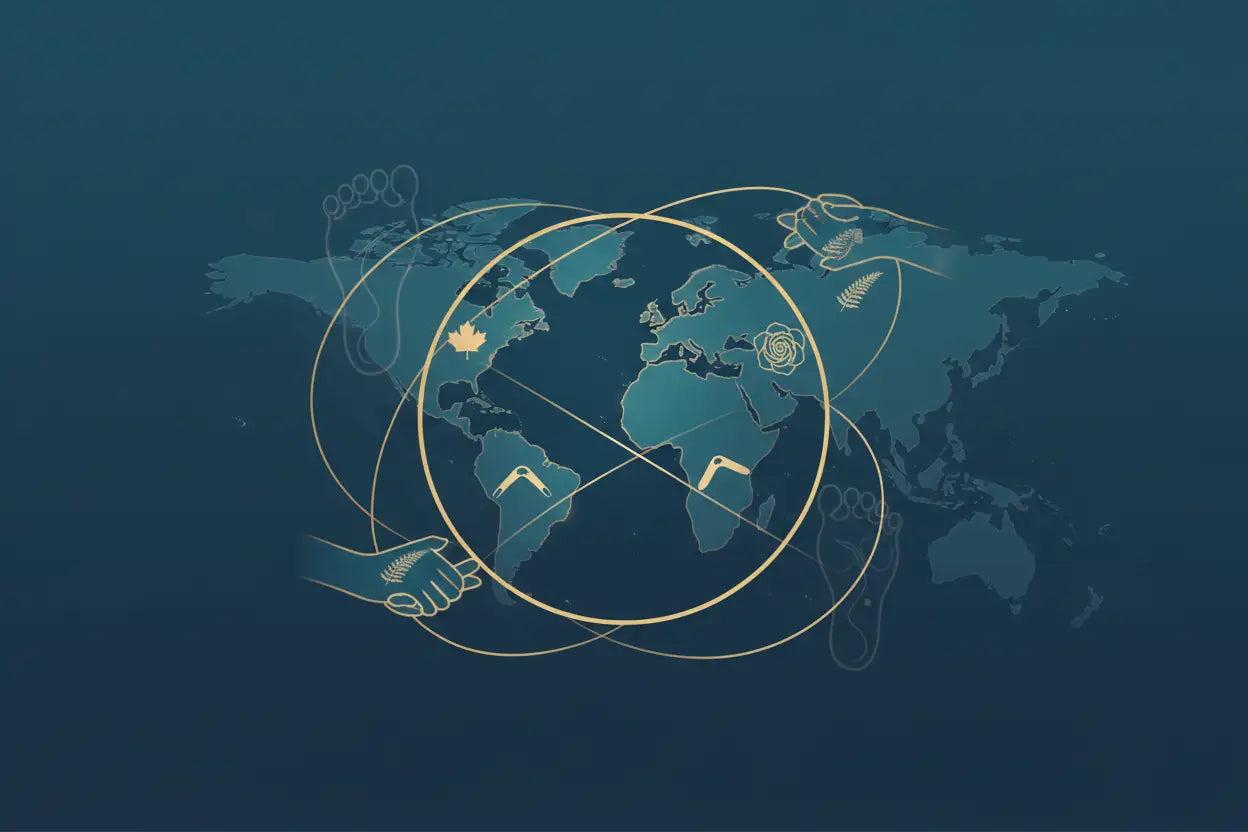
The World Reflexology Consortium is a collaboration between four national reflexology membership bodies:
- Reflexology Association of Canada (RAC)
- Association of Reflexologists (United Kingdom)
- Reflexology Association of Australia
- Reflexology New Zealand
These are the professional bodies that set entry standards, hold registers of practitioners, and decide what counts as adequate training in each country. Until now they have largely operated in isolation from one another. The consortium exists so they can meet and, in their own words, “cooperate on areas of mutual interest.”
What it does — and what it does not do yet
This is where most of the confusion lives, so let us be direct.
What it does: the four associations share best practice, work on common professional standards, and have stated an intention to discuss minimum entry requirements — specifically so they can support their members who relocate to another member country.
What it does not do: it does not create automatic recognition of your credential across the four countries. There is no mechanism today where a Canadian registration converts into a British or Australian one. The associations have said they aim to work toward shared entry requirements. That is a stated goal, not a system already running.
We are spelling this out because the opposite is often implied in course marketing, and a student who relocates on that basis finds out the hard way. If a school tells you a certificate is “recognised worldwide,” ask them to show you the mechanism.
What the consortium genuinely signals is direction of travel. Four national bodies have decided that reflexology standards should converge rather than drift. For anyone entering the profession now, training that already meets a national standard is the sensible bet.
Why national accreditation is the thing that matters
Reflexology is unregulated in much of North America. Anyone can take a weekend course and call themselves a reflexologist. That is precisely why the national associations exist, and why accreditation is the only reliable signal a prospective client, clinic or insurer has to go on.
In Canada, that signal is accreditation by the Reflexology Association of Canada. A RAC-accredited diploma makes a graduate eligible to sit the RCRT exam, and passing it leads to professional membership. That is a defined pathway with a defined standard behind it — not a certificate of attendance.
Two things follow. First, hours matter: entry-to-practice accreditation in Canada sits at the 360-hour level, and shorter programs, however good, are not the same thing. Second, the accrediting body matters: RAC is one of the four consortium founding members, so a RAC-accredited credential sits inside the group of standards now being aligned.
Where Dien Chan fits
Facial reflexology has historically sat outside all of this. It is taught widely as continuing education, as a spa treatment, or as an add-on technique — rarely as an accredited discipline with a registration pathway of its own.
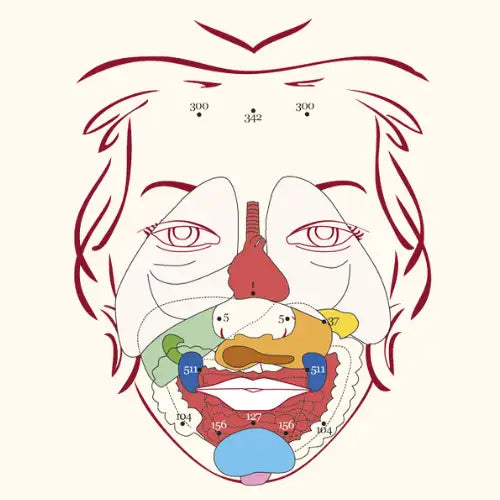
Dien Chan is the exception worth knowing about. Created by Professor Bùi Quôc Châu in Vietnam in the 1980s, it is not a single reflex map applied by routine. It works with more than twenty facial diagrams and a set of hand-made multireflex tools to locate and treat the root cause of a presenting condition. It is diagnostic in structure, which is what makes it teachable to a clinical standard rather than a protocol standard.
At Quanta School of Reflexology, our 360-hour Dien Chan Clinician diploma is accredited by the Reflexology Association of Canada — the same accreditation, at the same hours, as our foot reflexology diploma. To our knowledge we are the only school where a student can become a registered reflexologist through Dien Chan facial reflexology, which means it is the only route by which facial reflexology enters the standards framework the consortium associations are working on.
That is a narrow claim and we would rather state it narrowly than overstate it. It does not mean a Dien Chan credential is recognised in four countries. It means the method has an accredited pathway to national registration in one of them, which is more than facial reflexology has had before.
What to ask before you enrol
Whatever school you are considering, including ours, these four questions will tell you most of what you need to know:
- Who accredits this program, and can I see the letter? Accreditation is granted in writing by a named body. A school that has it will show you.
- How many hours, and does that meet entry-to-practice in my country? In Canada that is 360 hours. Shorter programs are certifications, which is a different and honest thing to be.
- What does the program require of me? Case studies, written exams with a real pass mark, and an assessed practical are what separate a credential from a receipt.
- What exactly happens after I graduate? The answer should name an exam and an association, not a feeling.
If you want to talk through where a particular program would leave you, we offer a free discovery call — no pressure to enrol, and we will tell you plainly if what you want is not what we teach. Email learn@reflexology.school or call (866) 606-7864.


