

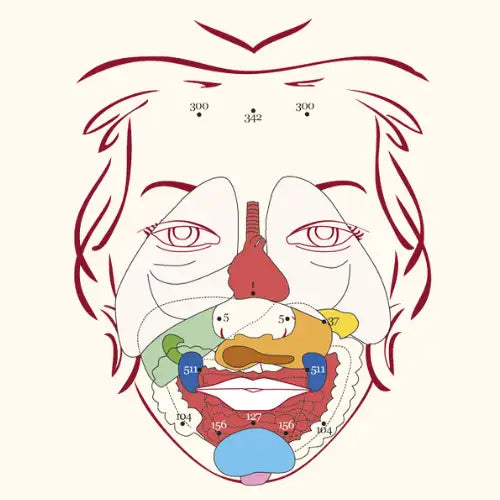
What is a Foot Reflexology Map?
A foot reflexology map is a visual guide that shows the relationship between specific points on your feet and corresponding organs, glands, and body systems. These charts are essential tools for both practitioners and students learning the ancient healing art of reflexology.
Understanding the Foot Reflexology Chart
The foot is divided into zones and reflex areas that mirror the entire body. The right foot corresponds to the right side of the body, while the left foot reflects the left side. Here's how to read a reflexology map:
Key Zones on the Foot
- Toes: Head, brain, sinuses, eyes, and ears
- Ball of the foot: Chest, lungs, heart, and shoulders
- Arch: Digestive organs including liver, stomach, pancreas, and intestines
- Heel: Lower back, sciatic nerve, and pelvic region
- Inner edge: Spine (from heel to big toe)
- Outer edge: Shoulders, arms, hips, and knees
How to Use a Reflexology Map
When working with a foot reflexology chart, start by identifying the area of concern in the body, then locate the corresponding reflex point on the foot. Apply gentle but firm pressure using your thumb or fingers in a walking motion across the reflex area.
Reading Reflexology Points
Each reflex point on the map corresponds to a specific body part or system. For example:
- The tip of the big toe relates to the pituitary gland
- The center of the ball of the foot connects to the solar plexus
- The inner arch corresponds to the spine
- The heel area relates to the sciatic nerve and lower back
Benefits of Learning Foot Reflexology Maps
Understanding reflexology charts allows you to:
- Provide targeted relief for specific health concerns
- Develop comprehensive treatment protocols
- Communicate effectively with clients about their sessions
- Build confidence in your reflexology practice
- Create personalized self-care routines
Common Reflexology Map Variations
While the basic principles remain consistent, you may encounter different styles of reflexology maps including:
- Traditional Chinese Reflexology: Based on meridian theory and energy flow
- Western Reflexology: Focuses on zone therapy and anatomical correlations
- Ingham Method: Developed by Eunice Ingham, the mother of modern reflexology
Tips for Memorizing Reflexology Charts
Learning foot reflexology maps takes practice. Here are proven strategies:
- Start with major organs and systems before moving to specific points
- Practice on yourself daily to build muscle memory
- Use anatomical logic—the foot mirrors the body's layout
- Create flashcards for different reflex areas
- Work with study partners to quiz each other
Start Your Reflexology Journey
Ready to master foot reflexology maps and build a professional practice? Our comprehensive certification programs provide in-depth training on reflexology charts, techniques, and protocols.
Want to learn more? Explore our reflexology certification programs and start your journey toward becoming a skilled practitioner. Our expert instructors will guide you through every reflex point, ensuring you develop the knowledge and confidence to help others heal.


